

Refined starches, sometimes referred to as “the great grain robbery” are the things we think of as comfort foods: macaroni and cheese, cinnamon buns, cookies, bagels. It all begins with refining wheat to make white flour and in the process, we lose 70 to 90% of the vitamins, minerals, and fiber, and nearly all the good phytochemicals are removed. So, they try to “enrich” products made with white flour, by adding nutrients back in, but only a few. It then is devoid of many great nutrients, and very importantly essential fatty acids and fiber are lost. Then what else is added? Sugar, salt, oil, artificial flavors and color, preservatives, chemicals. By making cakes, cookies, pies, breads, crackers, and other foods we have extracted the good stuff and added harmful stuff. Rethink your health on the shelf and replace these foods with whole food comfort, like hummus, sweet potatoes, portobello mushroom burgers – go to meatlessmonday.com to find more!
 Yesterday we talked about the “great grain robbery” where refined grains have been degraded to the point of being harmful. But we do need grains every day! Learn to read labels – if it says “made with whole grains” then they are refined. Why not replace refined grains with whole grains? Use brown rice instead of white rice, eat whole grain Ezekiel bread instead of white or other breads. Pastas are now made from beans and lentils, and there is a delicious RightRics that is 90% vegetables (lentils, chickpeas, and peas) so it has twice the protein, five times the fiber and 40% less carbs than regular rice. Their seasoned bags are wonderful, and you can find them on Amazon.com to improve your health on the shelf. Have a terrific Tuesday everyone!
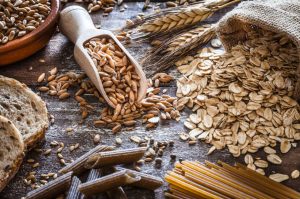 On this wonderful Wednesday, why do we seem to be seeing the word “fiber” everywhere? It is pure power when it comes to our health! It reduces risk of heart disease, stroke, hypertension, GI disorders, obesity, type 2 diabetes, and several cancers. It also helps us feel fuller and more satisfied longer, and our gut microbiomes thrive on it! How do we get enough? It is simple: eat plants. Only plants have fiber, and ALL plants have fiber! Veggies, fruits, whole grains, legumes, fruits – all are useful sources. Beans, lentils, split peas, avocado are among the highest – berries, fruit, dried fruit, flax seeds, grains, and artichokes are next. Power up your plantified plates to hit the goal for more fiber everyone!
You may have heard of “sterols” – they are naturally found in both plants and animals and the most well-known one is cholesterol. Plant sterols are like cholesterol but lowers total and LDL cholesterol levels, which cholesterol does not. The best sources for plant sterols are soybeans, other beans, seeds, and nuts. As we have mentioned before, the best fats in these foods are found naturally, not pressed out in oils and when heated, they can become damaged and are no longer helpful for our health – just the opposite. Do not heat your seeds and nuts – eat them raw or even better, soak them overnight to turn up their goodness. Funny how foods are best when they are consumed in the same way they were created 🙂
More athletes are turning to whole food plant-based diets, for multiple reasons. The first question many of them get is, “how do you get enough protein?” For decades we were told that the highest quality protein comes from meat, and part of that came from a theory that only “complete proteins” are found in meat. This was largely disproven in the 1980’s but many of us are not aware of it – all plant foods contain ALL NINE essential amino acids – those we cannot make. Legumes – beans and the like – are inexpensive and loaded with so much good protein. You may not think of drinking soy milk to count as one of your three bean servings a day. Or scrambled tofu or add lentils and peas to salads and soups. The book “Nourish” by Dr. Reshma Shah and dietician Brenda Davis will give you lots of great info for everyone in your home, even the little ones – have a fantastic Friday everyone!
Resource: Nourish: “The definitive plant-based nutrition guide for families”
Our Blast from The Past…
There is a fundamental lifestyle approach that everyone needs to look at when they have an autoimmune condition, which is looking at the root causes, not fixing the condition but the habits in our lives are leading us to have this condition. The main three triggers are allergens, microbes, and toxins (much of it in our diets) and stress influences all these as well. Two thirds of our immune system is in the digestive system, and the most inflammatory thing we do each day is EAT. Every forkful of what we put into our mouths is either inflammatory or anti-inflammatory. There is no shortage of calories, but we have a huge shortage in nutrient-dense foods – vitamins, minerals, phytochemicals, fiber, essential amino acids, and essential fatty acids. We have diets that are full of “energy” but not providing the raw materials that we need for our critical chemical reactions. SO, on this meatless Monday, choose foods that are high in nutrients and stay tuned for a list of them!
As we mentioned yesterday, when it comes to reducing inflammation and the root causes of auto-immune diseases, a key to it is our food choices – we need to focus on the amount of NUTRITION per calorie, and on avoiding foods that over-stimulate the immune system and undermine our health. Gluten is inherently inflammatory, damages the lining of the gut, and feeds the wrong type of bacteria in our guts, all of which over-stimulates our immune systems. It, and other foods, cause what is called “malabsorption”. Malabsorption is one of the most overlooked reasons for autoimmune diseases – we eat the right things, but a few wrong things block the nutrients from being absorbed. More to come on fixing this, so stay tuned and have a terrific Tuesday everyone!
 Vitamin D, the sunshine vitamin, is not a vitamin at all, but an important steroid hormone that we produce when we are exposed to the sun or when we consume foods rich in vitamin D. It is the MOST IMPORTANT immune changing substance – it alters our immune cell function more than anything else, yet 50% of us are deficient! Try to spend 15 minutes in the sun before 10 am. Also, we also have talked this week about inflammatory foods. There are seven that are bad actors for our guts. Try a 30-day period of eliminating them and see if you feel better, and to live longer and stronger! They are gluten, dairy, soy, corn, eggs, peanuts, sugar/artificial sweeteners. And have a wonderful Wednesday!
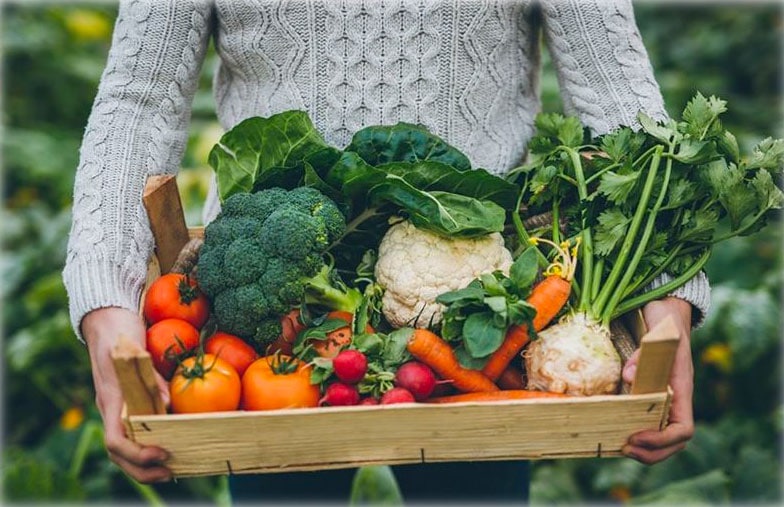 We have talked all week about helping reverse and prevent autoimmune disorders, and what foods to avoid – gluten, dairy, soy, corn, eggs, peanuts, sugar/artificial sweeteners. There are foods that BOOST our immune systems though. Add foods like asparagus, onions, garlic, broccoli, cabbage, cauliflower, root vegetables (especially sweet potatoes) AND two apples a day will give us the anti-inflammatory effect of the most powerful steroid we can take. The key is to not eat them raw – cook them just a few minutes until the surface begins to get shiny. It breaks them down into pectin, which reduces our systemic inflammation. And of course, the “fermented foods”: sauerkraut, tempeh, apple cider vinegar each week are powerful for our gut health. Lastly, turmeric has eighty-four different pathways to help us! It is the miracle of nutrition 🙂 Power up your plates with t! e wonderful foods!
All week it has been about reducing autoimmune disease – what to avoid, and what to eat. Just a reminder to focus on getting as many different good foods each week as possible. Our ancestors consumed almost one thousand different foods – we only consume twenty on average. And another tip – be conscious of chewing your food more. Much more nutrition is extracted from our food when we chew it twenty-five times instead of ten. On the first day we mentioned allergens as a root cause of autoimmune disease, and it is not just in food. Consider purchasing house-wide filtration systems for your home and replacing all your filters in the furnace with those that are highly HEPA rated and have charcoal. Have your ducts cleaned including the dryer vent at least once a year, but make sure when they are doing it, they do not use chemicals. Have a fantastic Friday everyone!