Ready for a franchise opportunity that is profitable and supports a healthy lifestyle?
At Fresh Healthy Café, we take pride in using high-quality ingredients in every menu item. While other restaurants may focus on gimmicks, Fresh is built on a foundation of health and authenticity. Our customers feel good about what they eat, and the vibrant energy in our cafés reflects that commitment.
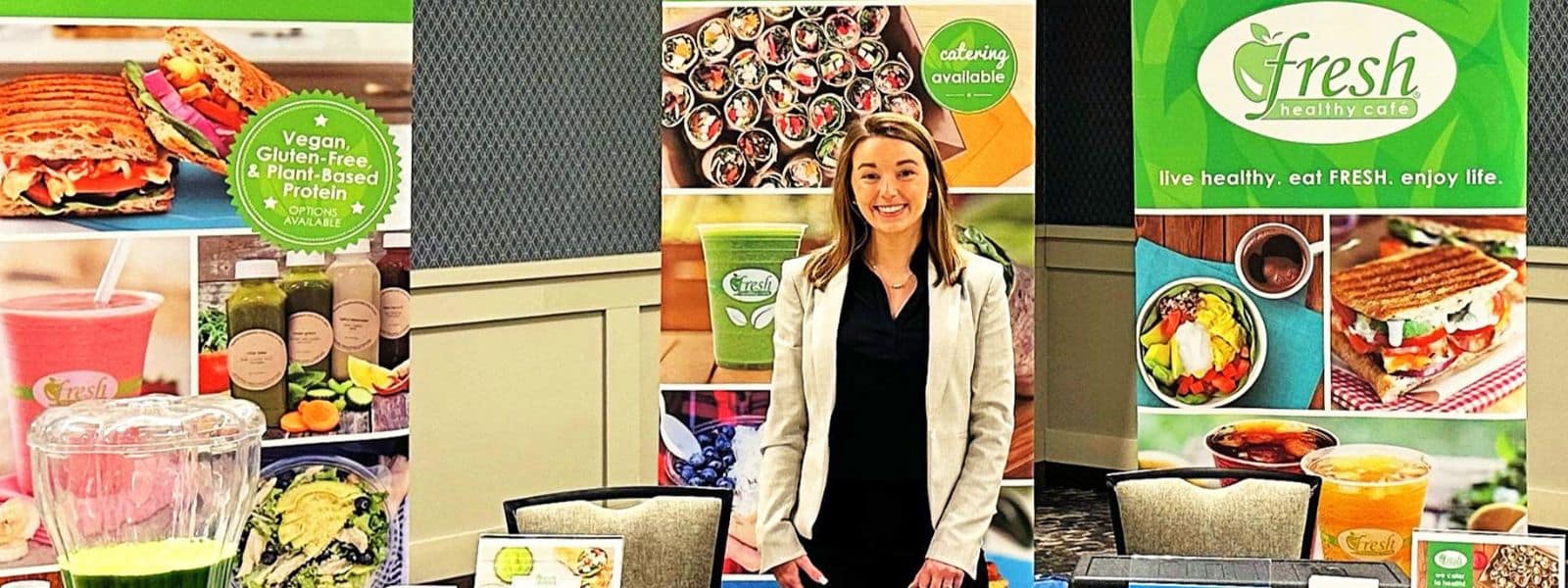
Entrepreneurs seeking a healthy, fast-casual franchise backed by industry-leading training can find that opportunity with Fresh Healthy Café. This emerging brand offers a proven system and full support for franchisees, covering everything from site selection and lease negotiations to store build and ongoing operations. What truly stands out is the company’s extensive hands-on training program.
Starting a business can be complex and full of challenges. For many entrepreneurs, joining a proven franchise system offers a more secure path. A Fresh Healthy Café franchise comes with the benefit of a recognized brand, operational systems, and a full support network designed to set you up for success.
Here are five key reasons why owning a Fresh franchise is a smart choice for health-focused entrepreneurs.
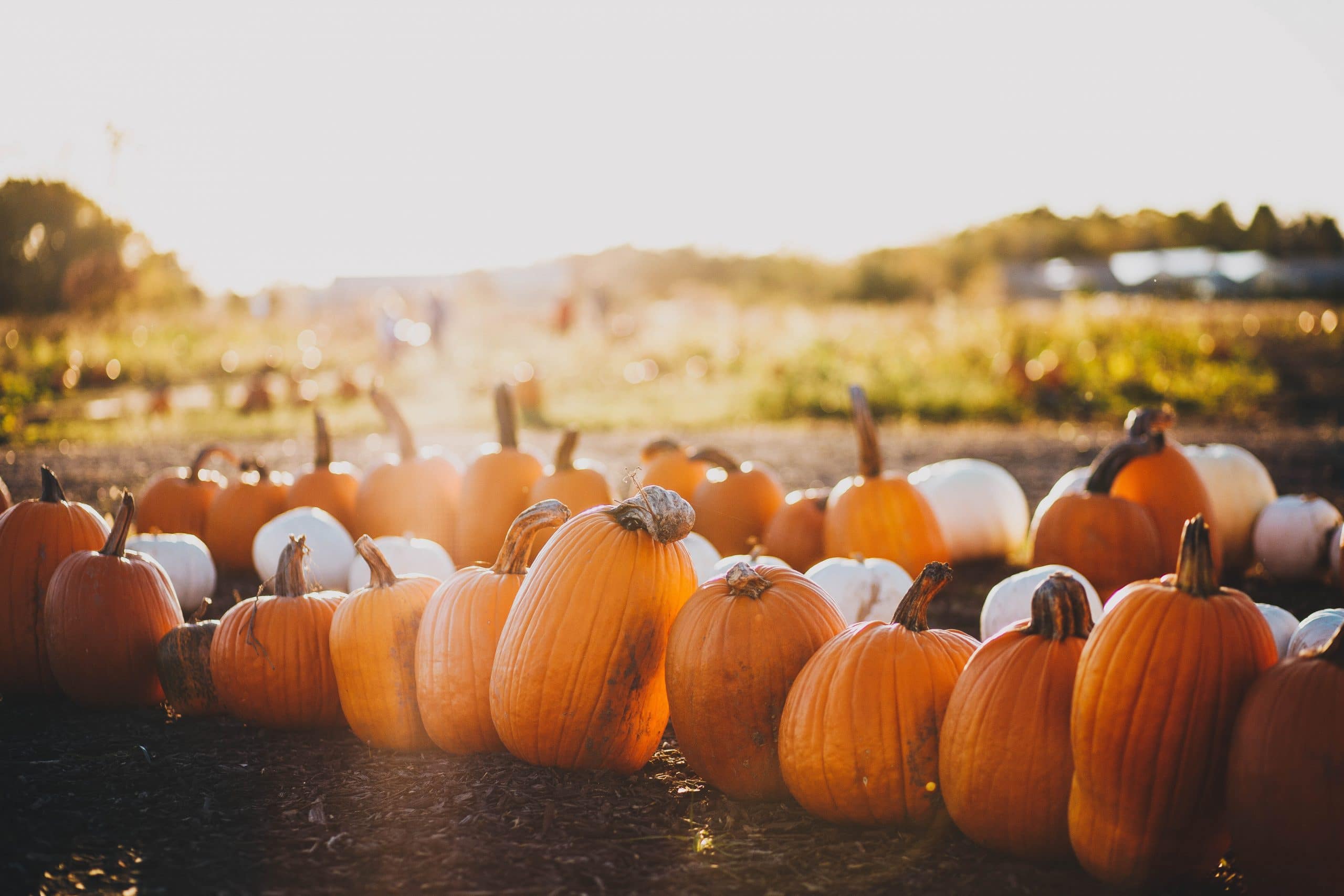
Thanksgiving week is a great opportunity to teach children what the pilgrims ate 400 years ago – whole food with a plant slant, like squash, corn, and beans. Here’s a great vegan mushroom dressing for this marvelous Meatless Monday!
Mushroom Dressing
3 tbsp olive oil or oil of choice or vegan butter (use broth or water for an oi-free option)
1 large onion diced
3 celery stalks diced
16 ounces sliced mushrooms white button, Shiitake or Cremini
2 teaspoons dried thyme
1 1/2 teaspoon dried sage
1 teaspoon dried rosemary
1 teaspoon Himalayan pink salt
1/2 teaspoon ground black pepper
1 loaf day old bread (wheat, sourdough, or a combination)
1/4 cup chopped fresh parsley
`1 – 1 1/2 cup(s) vegetable broth
Current estimates suggest that alcohol consumption causes about 6% of all cancer deaths worldwide. In men, alcohol causes mostly head, neck, and gastrointestinal cancers, whereas it is mostly breast cancer in women. Alcohol appears to cause more than 100,000 cases of breast cancer every year! And it is not just heavy drinkers. “All levels of evidence show a risk relationship between alcohol consumption and the risk of breast cancer, even at low levels of consumption.” We are seeing more comments like this in the medical literature: the “consumption of…an addictive carcinogen, cannot be considered a healthy lifestyle choice!” and “… the final message on alcohol should be clear: It is toxic, carcinogenic, birth defect-causing, and potentially addictive. The alcohol lobby and advertisers can manipulate the scientific evidence that places profits over public health. “They do this through denying the evidence, distorting the evidence, and trying to distract the public’s attention.” Improve your health on the shelf by tossing the alcohol and getting ready for “dry January” – stay tuned
Although the adverse health effects of secondhand tobacco smoke are well recognized, the impact of burning incense in the home has received much less attention – why is that, since burning incense has been found to generate four times the particulate matter as cigarettes – so incense may be even worse! In fact, home incense use may have significant adverse health effects, particularly on the heart and lungs, including childhood asthma. The incense smoke particle size is much tinier – it’s so ultrafine it can float down into the deepest parts of the lungs. And it’s not just the little ash particles in the smoke – there’s carbon monoxide, nitric oxides, sulfur dioxide, and the list goes on and on, including formaldehyde. Even with a window open during the hour or so incense is burning, formaldehyde levels exceed the safety limit. Sometimes health on the shelf means getting rid of things – like incense 🙂 Have a marvelous Monday everyone!
We know that the gut is where all the magic happens for our health, and science is giving us the best ways to help them function at their peak! Here is how:
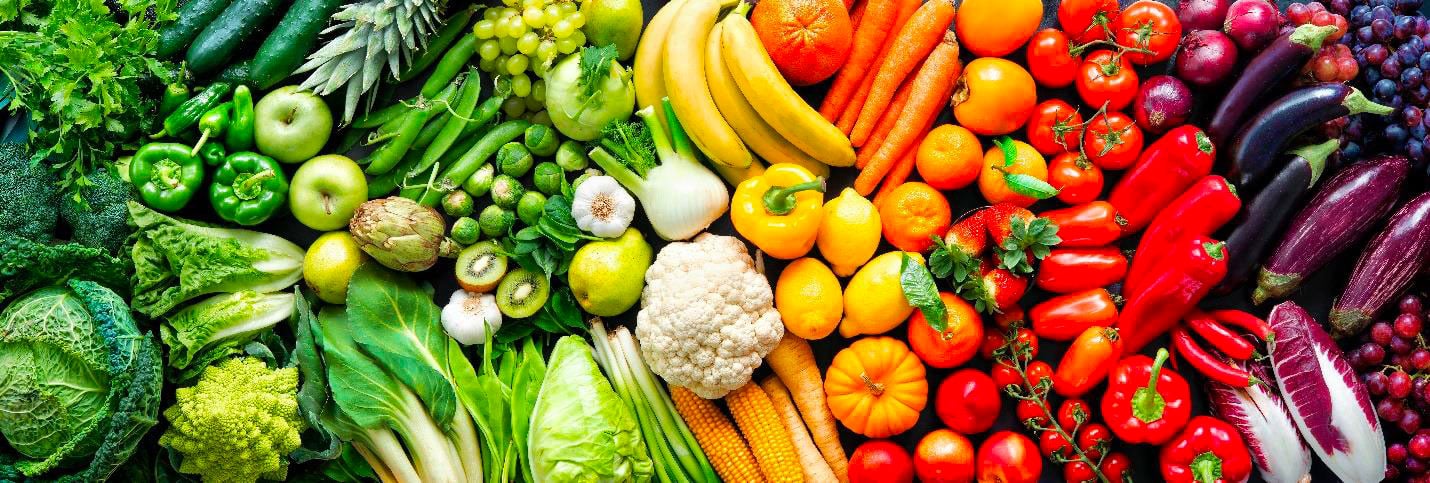
Eat a BIG variety of plant-based whole foods daily, including whole grains, nuts, veggies, beans, and fresh fruit – perfect for Meatless Monday!
Brush your teeth after every meal and floss them daily – the bacteria in our mouth travels to our gut and infects it. Sugary and processed foods, anything in a “wrapper” is bad for our teeth, therefore bad for our gut.
Eat fermented foods that have beneficial bacteria, such as sauerkraut, kimchi, and tempeh – look for them the next time you shop.
Eat foods with polyphenols, including dark chocolate, red grapes, almonds, onions, green tea, blueberries, and broccoli. The dark chocolate should be 82% or higher, or it has too much sugar.
Osteoporosis is estimated to affect 200 million people worldwide and is a disease characterized by excessive bone loss, leading to bone fragility and an increased risk of fractures. Bone mineral density is the most robust and consistent predictor of fractures. What can we eat to boost our bone density? Increased consumption of plant foods is associated with increased bone mineral density. There’s an extensive range of micronutrients and phytochemicals packed within plants that can be powerful promoters of bone health. On the other hand, animal-source eating has been associated with a higher risk of fractures, suggesting that a more animal-based diet is related to bone fragility. It’s Meatless Monday and a great day to plan a meatless week to build strong bones!
The most feared disease associated with aging is likely Alzheimer’s disease. Dementia is one of our fastest growing epidemics, affecting half of those over age 85. Alzheimer’s is the main type, and it is wonderful that the emerging evidence shows diet plays a major role in preventing cognitive decline, including Alzheimer’s! Diets rich in fruits, grains, beans, vegetables, nuts, and seeds may cut the risk of Alzheimer’s by more than 50% and those who had high adherence to this diet had cognitive functioning equivalent to a person who was 7.5 years younger! Those who ate meat, including poultry and fish, were more than twice as likely to have dementia than their vegetarian counterparts. This is another great reason to have a Marvelous Meatless Monday, Tuesday, and every day!
Replacing just 3 percent of calories of animal protein with plant protein was associated with a 10% reduction in risk of death – an extra year of life with just 3 percent! Egg protein was the worst -swapping 3% of egg whites for plant protein was associated with more than 20% reduction in overall mortality. It is not about adding years to your life but life to your years, which is where the concept of “healthy aging” comes from. Healthy aging is “the process of developing and maintaining the functional ability that enables wellbeing in older age.” A higher intake of vegetable protein yields fewer deficits in functional impairment, health and vitality, mental health, and the use of health services. A whole food, plant-based diet provides the best opportunities for health aging! Make it a marvelous Meatless Monday and plantify your plates!